


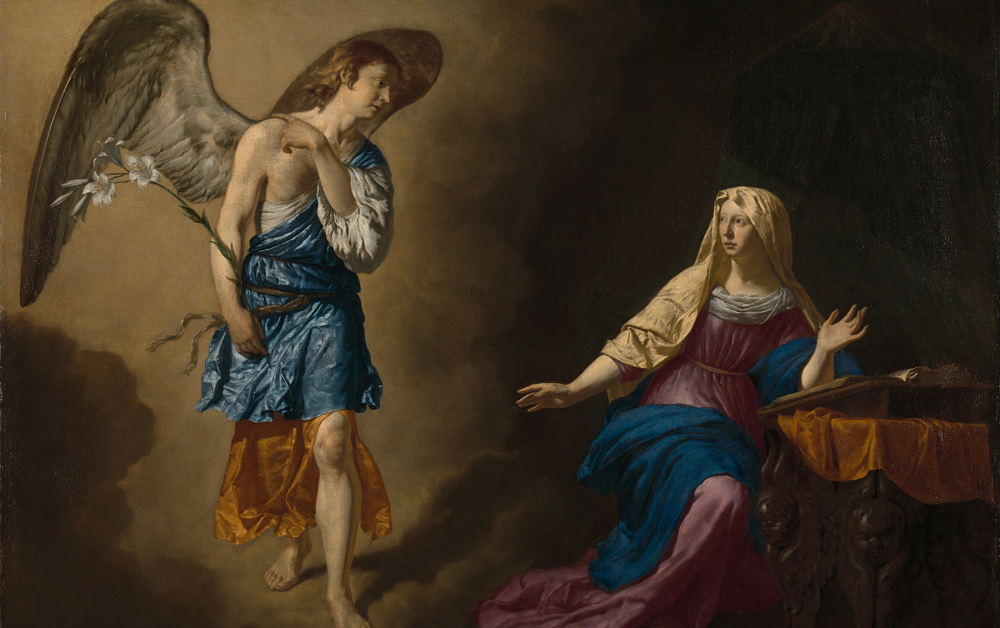
Week 3 Joy
Mary: The Mother Who Sings
Bethlehem Is Not a Storybook: An Advent Journey Toward Peace
From Silence to Song
“My soul magnifies the Lord, and my spirit rejoices in God my Savior…
He has brought down the mighty from their thrones and exalted the humble.” — Luke 1:46–55 In Joseph’s silence, we learned to listen. In Mary’s song, we learn to speak.
Joseph’s obedience had no words, measured in footsteps and hammer strikes, in a quiet trust that moved when God whispered. Mary’s faith bursts into sound: a teenager under occupation, lifting her voice in a world that preferred she remain small and unseen. The story of salvation turns on these two acts of courage, one silent, one sung.
The angel’s greeting startled her: “Rejoice, highly favored one, the Lord is with you.” Mary answered with trembling honesty, “How can this be?” That question opens holy space. It is the first act of faith, refusing denial, naming reality, inviting God to do what seems impossible. And when she consents, “Be it unto me according to your word” her obedience is not quietism; it is courageous consent, the strength to bear divine life into a violent world.
When she meets Elizabeth, the Spirit overflows, and Mary sings the Magnificat, the first Gospel sermon on earth. It isn’t a lullaby. It is prophecy set to music:
- The proud scattered.
- The mighty brought down.
- The humble lifted.
- The hungry filled.
- The rich sent away empty.
Mary’s song announces a God who overturns the machinery of fear with mercy. It is praise, protest, and promise braided together. And that melody still travels, over limestone and olive tree, through Bethlehem’s alleys and Ramallah’s streets, whenever the church dares to sing under pressure the Joy of salvation.
Mercy, Not Vengeance
When Mary sings, “He has helped His servant Israel, in remembrance of His mercy,” she isn’t invoking modern nationalism or ethnic privilege. She reaches back to Abraham’s calling, that through his descendants all nations would be blessed. Israel’s vocation was never conquest; it was compassion.
By Jesus’ day, that vocation had been buried under zeal and the seduction of power. Holiness was confused with control. Into this Jesus walked, echoing His mother’s song: “Go and learn what this means: I desire mercy, not sacrifice” (Matt. 9:13). Mercy is the true inheritance of Abraham. It is not policy that fulfills Mary’s hymn but love lived in dust and danger, the kind of
love that brings forth Joy even in sorrow.
And today, that same melody rises, not from parliaments, but from small, stubborn churches in Palestine. They resist with grace. They stay when leaving would be easier. They love in a world that constantly trains them to fear. Their life together is a living Magnificat, an uprising of Joy in the face of cruelty.
A Modern Magnificat: Rev. Dr. Munther Isaac
I first heard Rev. Dr. Munther Isaac speak in California. Precise like the engineer he trained to be, burning like the pastor he is. In Bethlehem during the 2023 bombardment of Gaza, his voice became a global echo of Mary’s song. As buildings fell and families were buried, he asked his congregation: “Where is Christ in this?” Then he answered: “If Christ were born today, He would be born under the rubble.”
Those words were not despairing. They were incarnational. Munther called the church to see Christ where He has always chosen to dwell, among the crushed, the hungry, the displaced. That Advent, his church draped the altar in black, lit candles for Gaza and for grieving families, and sang Arabic hymns braiding lament with hope. Christ Under the Rubble, his sermon, became a prophetic plea to the Western church to wake from comfort and rediscover the Gospel Mary sang: a Gospel that lifts the lowly and confronts the proud; that centers compassion over control; that names Christ present where power has tried to erase His image.
Now serving in Ramallah, pressed by checkpoints, ringed by walls, he remains. He preaches not vengeance but prophetic mercy. His ministry is the Magnificat continued: a song rising from rubble, calling the church to remember the kingdom it belongs to, not walls and weapons, but mercy, humility, and peace.
The Church That Sings Under the Rubble
In Bethlehem and Ramallah, I heard Mary’s melody alive again. Arabic hymns echo through ancient stone. Children recite the Beatitudes. Congregations pray for victims and enemies by name. One Sunday a small choir sang Psalm 126: “Those who sow in tears shall reap with shouts of joy.” Their voices trembled, but they sang anyway. Each note was defiance. Each harmony said hope is not buried; it is planted.
This is the land’s quiet theology:
- God still enters human suffering.
- Christ is born not in palaces but in places of pain.
- Worship can shake empires even when it sounds like a whisper
Mary began this melody. The church in Palestine carries it on.
What Mary Teaches the West
We have preserved Mary’s song in stained glass and carols; now we must let it shape our conscience. The Magnificat is not nostalgia. It is discipleship. To follow Christ is to join Mary in singing mercy into a world addicted to power; to bear Christ into suffering; to trust that mercy will outlast empire.
When I heard Rev. Munther preach, I recognized her voice in his mercy instead of vengeance, faith instead of fear, hope instead of despair.
This is the Gospel that still turns the world upside down. This is the song that will not be silenced.
This is the Joy of the Lord, born again in every generation that dares to sing.
An excerpt from the book, “Bethlehem is not a Storybook, Learning to Listen: A Journey Toward Peace” by Lani Lanchester to be published in 2026.
Advent Actions (Do one today)
- Pray the Magnificat with the news open. Read Luke 1:46–55 slowly, then name three suffering places by name (Bethlehem, Gaza, your own city). Ask: “Lord, where do You want Your mercy to overturn power here?”
- Practice Magnificat economics. Fill one pantry (yours or a neighbor’s) or give to a Bethlehem/Ramallah ministry that serves children and the poor. Tell one friend why you gave. Share Mary’s line: “He has filled the hungry with good things.”
- Write a “Mary letter.” Send a short note to your pastor or small group: summarize the Magnificat in one paragraph and suggest one concrete act of mercy your church can do this Advent (meal train, refugee support, ceasefire prayer vigil).
Advent Questions for Reflection
- Consent: Where is God inviting you to say, “Be it unto me according to Your word”—not as resignation, but as courageous consent?
- Mercy vs. Power: Where have you confused holiness with control? What would mercy look like in that exact place?
- Sing: How might your worship become a Magnificat, lifting the lowly, unsettling the powerful, and locating Christ among the wounded?
