


JERUSALEM, Israel – U.S. strikes on Iranian infrastructure and other sites ramped up over the weekend following an Iranian attack that killed American servicemen.
The military attacked Iranian targets overnight for the ninth straight night, following Tehran’s attack on a U.S. base in Jordan, in which at least two U.S. servicemen died.
“But we hit them very hard again tonight,” President Trump stated. “And we did that in honor of the probably three, it’s probably three as opposed to two, great patriots.”
Later, Iran tried to attack the Gulf of Aqaba in the Red Sea. The U.S. intercepted the missiles, and Israel also launched interceptors. Booms were reportedly heard in the Israeli port city of Eilat, heightening concerns that the war could soon encompass Israel.
CENTCOM targeted sites including tunnels and bridges in southern Iran and areas leading to the Strait of Hormuz.
Iran’s Supreme Leader, Ayatollah Mojtaba Khamenei, threatened “unforgettable lessons” if the U.S. strikes continue.
Quoting an unnamed official, The Jerusalem Post reported that President Trump is leaning toward expanding the campaign in Iran.
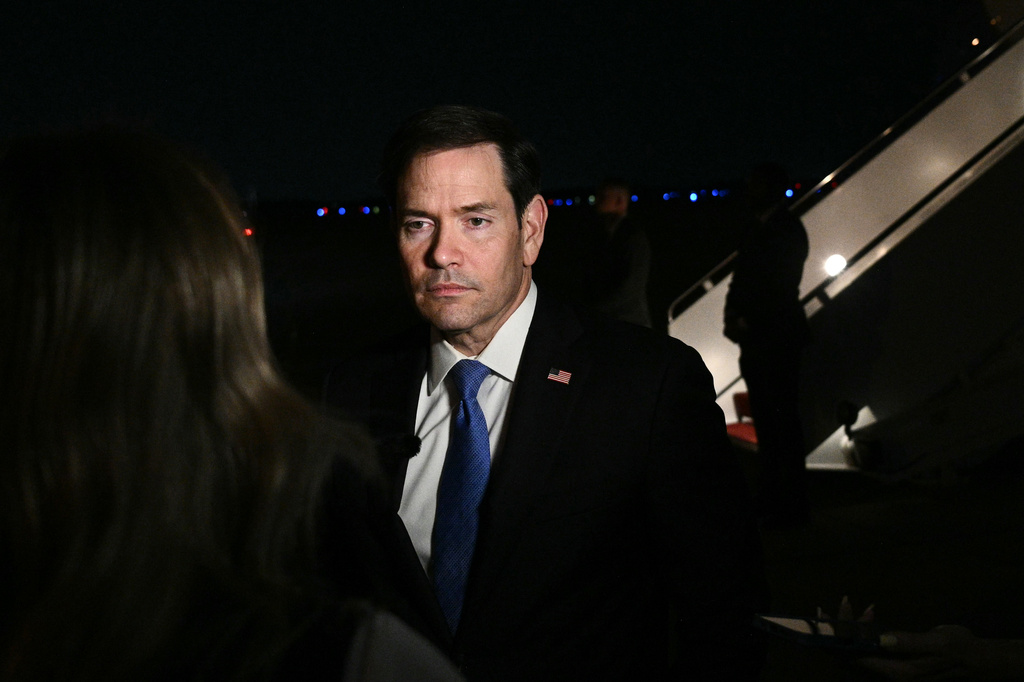
Secretary of State Marco Rubio indicated that Washington is still open to diplomacy if Iran changes its behavior.
Speaking to reporters before leaving for the ASEAN meeting in the Philippines on Sunday evening, Rubio said, “I think we’re always open to diplomacy. It has to be real. It has to be a deal that they’re willing to live by. Look, Iran a week ago was supposed to put out a statement saying that the Straits of Hormuz would be open, that they would no longer attack shipping. And instead of doing that, they attacked three ships.”
Rubio added that the administration is only responding to Iran’s behavior.
“And their behavior is they’re launching missiles and drones against ships, including tonight,” he noted. “So we are basically providing the service of protecting these ships on behalf of the world, and we’re the only ones doing anything about it.’
Rubio continued, “So what the president is basically raising the point is, at some point, the countries and the nations benefiting from the shipping through the straits should be able to step forward and provide at least financial assistance for the cost of providing this very valuable service.”
*** Please sign up for CBN Newsletters to ensure you receive the latest updates.***
In a CNN interview posted on X, Senior Military analyst Adm. James Stavridis contended that Tehran likely has other things planned.
“There’s a chokepoint, right to the left of the map, to the west. It’s called the Suez Canal. It’s got more traffic flowing through it than the Strait of Hormuz, and the Iranians are beginning to make noises about attempting to close that, using the Houthis in the southwest corner of the Arabian Peninsula,” Stavridis explained.
Meanwhile, the Gulf States are losing patience with Iran. The Kuwaiti foreign ministry condemned what it said was an attack on vital civilian infrastructure.
And in a rare interaction with Israeli media, a former Saudi general told Israel Channel 12 that Iran’s strikes in the region should bring “extremely serious” consequences.
