


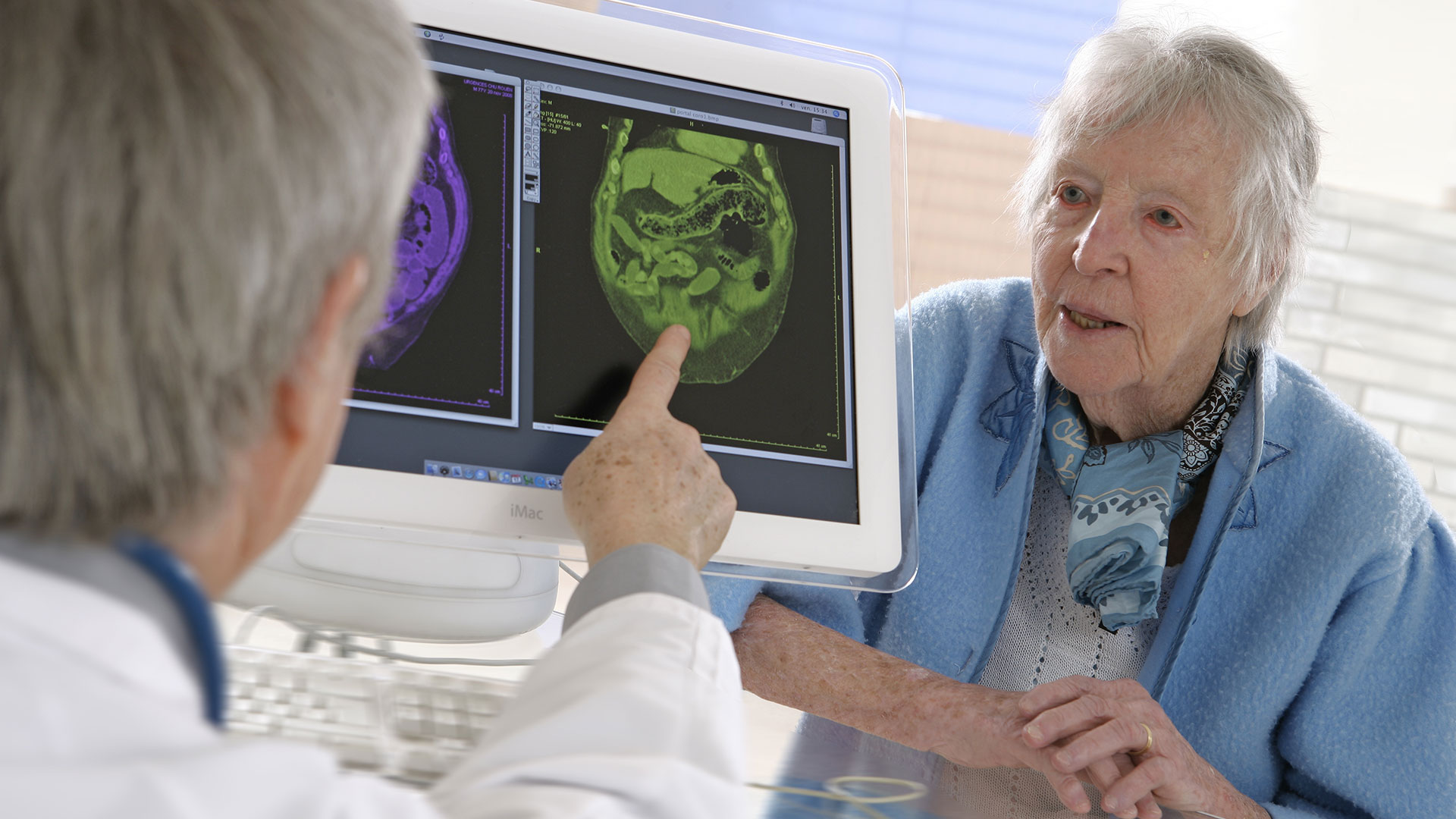
One of the latest breakthroughs in Alzheimer’s treatment and prevention isn’t a drug. It’s making changes to your lifestyle in order to protect the brain’s immune cells.
While the U.S. Food and Drug Administration continues to approve new Alzheimer’s drugs, they only slightly slow the progression of the disease. Unfortunately they can also cause brain bleeding, brain swelling, even death.
Neurologist and best-selling author Dr. David Perlmutter says the pharmaceutical industry offers little hope for the more than seven million sufferers of Alzheimer’s Disease currently living in the United States.
“The problem is it’s being treated, respectfully, in the wrong way,” he said. “The treatment is focusing on the accumulation in the brain of a particular protein called beta amyloid. Drugs were designed to get rid of the beta amyloid. All well and good. They do. They help lower the amyloid in the brain, but it has no clinical benefit.”
Researchers behind the highly respected Cochrane Review recently analyzed 17 different studies of the most popular Alzheimer’s drugs used to treat more than 20,000 patients. It found their effect on cognitive decline to be “absent or trivial,” with the study’s lead author writing, “Unfortunately, the evidence suggests that these drugs make no meaningful difference to patients.”
Hope for Alzheimer’s Patients
While the effectiveness of these drugs is disappointing, Dr. Perlmutter points to studies that show Alzheimer’s patients who change their diet, exercise routine, and other habits to strengthen the brain’s immune cells are showing improvement.
“Not only did the disease stop declining, and not even stabilize, but actually improved cognitive function in these individuals,” he said. “Think about that. Now you cannot patent that.”
In his book Brain Defenders: Harness the Power of Your Immune Cells to Protect Your Brain for Life, Dr. Perlmutter describes how to strengthen the brain’s microglial immune cells so they can protect against disease.
“That’s the first order of business as it relates not only to Alzheimer’s, but Parkinson’s and really any type of neurodegenerative condition, is focused on the fact that the immune system goes awry in the brain,” he said.
Allowing the microglial to weaken can lead to cognitive decline.
“And they go about the brain destroying synapses and threatening our neurons and leading to permeability or leakiness of this very important barrier called the blood-brain barrier,” Dr. Perlmutter said.
Poor Diet Puts the Brain at Risk
Dr. Perlmutter points out a poor diet can put our brain health at risk. He cites a study that followed a large group of people for 13 years and found those who consumed one serving of processed food per day had a 13-percent increased risk of developing Alzheimer’s Disease. Those who consumed 10 servings of processed food a day carried a 270-percent increased risk of developing Alzheimer’s.
“That’s very worrisome for a disease for which we have no pharmaceutical fix,” he said.
Consuming too much sugar can lead to insulin resistance, a key risk factor for Alzheimer’s because it can deprive our brain cells of energy.
“In the presence of insulin, we can grow new connections between our brain cells,” Dr. Perlmutter said. “We can nurture our brain cells and actually grow new brain cells themselves.”
Insulin resistance is also the leading risk factor for Type 2 Diabetes, and experts often refer to Alzheimer’s Disease as Type 3 Diabetes. Those who preserve their insulin resistance can experience cognitive improvement.
“We know that in diabetics who are using the GLP-1 drugs, that’s originally why they were developed, versus other diabetes drugs, those on the GLP-1 drugs have a 40% risk reduction for developing Alzheimer’s disease,” Dr. Perlmutter said.
Lowering Inflammation Lowers Alzheimer’s Risk
Inflammation in the brain also presents a red flag when it comes to neurodegenerative diseases like Alzheimer’s. Inflammation can develop from many sources, such as an unhealthy gut microbiome or an infection.
“The chemicals of inflammation from any source, whether it’s a leaky bowel or any other type of infection, urinary tract infection, those inflammatory chemicals make their way to the brain and what do they do? They shift our immune cells,” Dr. Perlmutter said.
Even microbes associated with periodontal disease can make their way to the brain. P. gingivalis, a key bacterial pathogen linked to poor dental health, has been shown to increase the production of pro-inflammatory cytokines, creating a toxic micro-environment for neurons. It has been identified in the brains of individuals with Alzheimer’s disease.
Viral infections like the flu and COVID-19 can also lead to inflammation in the brain. Dr. Perlmutter recommends trying to minimize infections and points out that each infection adds another straw to the camel’s back. At some point, he says, “one may tip the brain into a self-sustaining inflammatory cascade that becomes difficult or impossible to reverse.”
Dr. Perlmutter recommends removing toxins from our environment for optimal brain health. These include smoke, mold, and chemicals.
Exercise Strengthens Brain Health
Another key to a healthy brain is totally up to the individual – exercise. It’s not as easy as taking a pill, but far more effective, according to Dr. Perlmutter.
“The way of preserving your brain is right on the bottom of your feet,” he said. “It’s your sneakers.”
Dr. Perlmutter recommends cardiovascular exercise for pumping valuable oxygen into the brain, while weight-lifting can help regulate hormones.
“We should consider our muscles to be endocrine glands like the thyroid or the pituitary because they secrete chemicals,” he said.
Making lifestyle changes isn’t always easy. However, many experts say at the present moment it’s the best option for both preventing Alzheimer’s Disease or reversing its symptoms.
RELATED:
