


JERUSALEM, Israel – As Washington pushes for new agreements aimed at stabilizing the Middle East, significant hurdles are emerging over the future of Lebanon. Some Israeli leaders are warning that the current approach could backfire.
The Trump administration is pressing ahead with efforts to secure peace between Israel and Lebanon, but not everyone is convinced the strategy will succeed.
Israeli Ambassador to the United States Yechiel Leiter cautioned, “We are in a train wreck.”
The talks were designed to separate Lebanon from the broader conflict with Iran and reduce the influence of the terrorist organization Hezbollah operating along Israel’s northern border.
Earlier this week, Israel and Lebanon agreed to renew their fragile ceasefire and establish pilot security zones inside southern Lebanon.
A joint statement issued after U.S.-mediated negotiations said the ceasefire depends on “a complete cessation of Hezbollah fire and the evacuation of all Hezbollah operatives” from areas south of the Litani River. The Lebanese Army would then take control.
Yet, significant obstacles remain. Lebanese President Joseph Aoun insisted, “We accept nothing less than an end to Israeli occupation.”
*** Please sign up for CBN Newsletters to ensure you receive the latest news from a distinctly Christian perspective.***
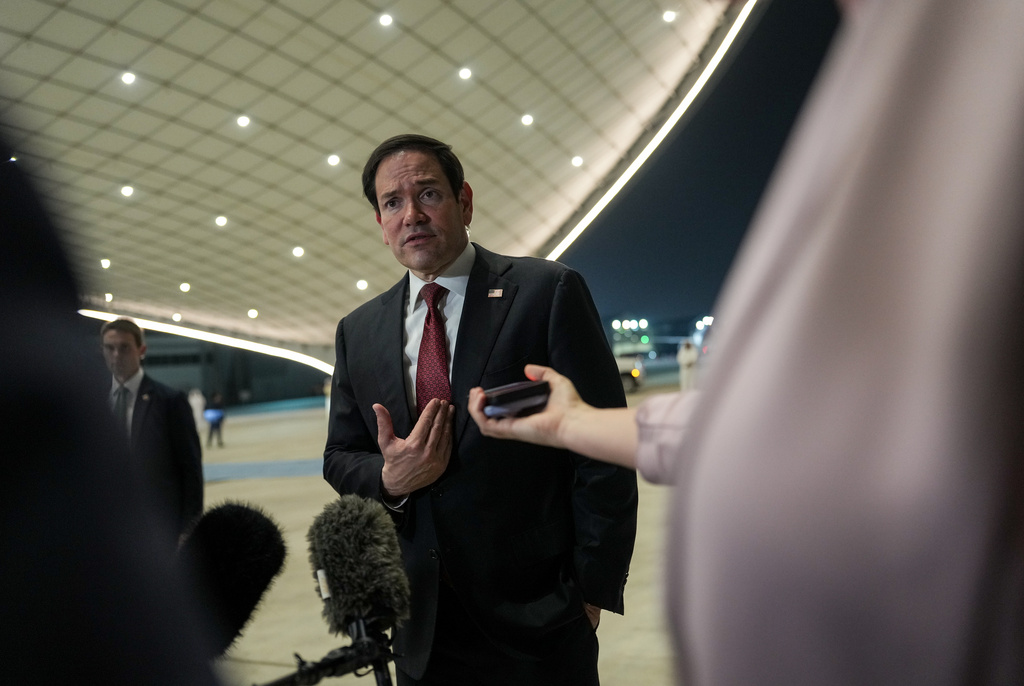
Meanwhile, Secretary of State Marco Rubio, on a visit to the United Arab Emirates to reassure allies concerning the Iran deal, says that any lasting peace must address Iran’s support for Hezbollah.
Rubio stated, “There’s an Iranian issue with regards to Lebanon, and that is their support and sponsorship of Hezbollah. … But as far as the future of Lebanon, the future of Lebanon belongs to the Lebanese people, through their sovereign, elected government.”
At the same time, Iran is drawing a red line around its military capabilities. President Masoud Pezeshkian contends that Tehran’s missile program will never be part of peace negotiations.
He announced, “Our missile program was not included in the MoU, and it shall not be. I would like to say that if it was not for Iran’s missile capabilities, our country would have been plundered and destroyed by the Zionist regime and the U.S.”
Those comments come despite President Trump’s celebration of what he called a historic agreement with Iran. Speaking at a Mack Truck facility in Pennsylvania, Trump told the crowd that oil is flowing again. He declared, “We just achieved a historic peace agreement with Iran to end the conflict in the Strait of Hormuz. And by the way, yesterday, 19 million barrels of oil flowed out of the Strait of Hormuz, a very beautiful place.”
However, back in Washington, the U.S. Senate has, for the first time, approved a War Powers resolution aimed at limiting military action against Iran. Critics of the war argue the administration’s approach has come at a great cost to the American people.
The vote highlights a rare bipartisan rebuke of the war and the administration’s broader strategy toward the Tehran regime.
