

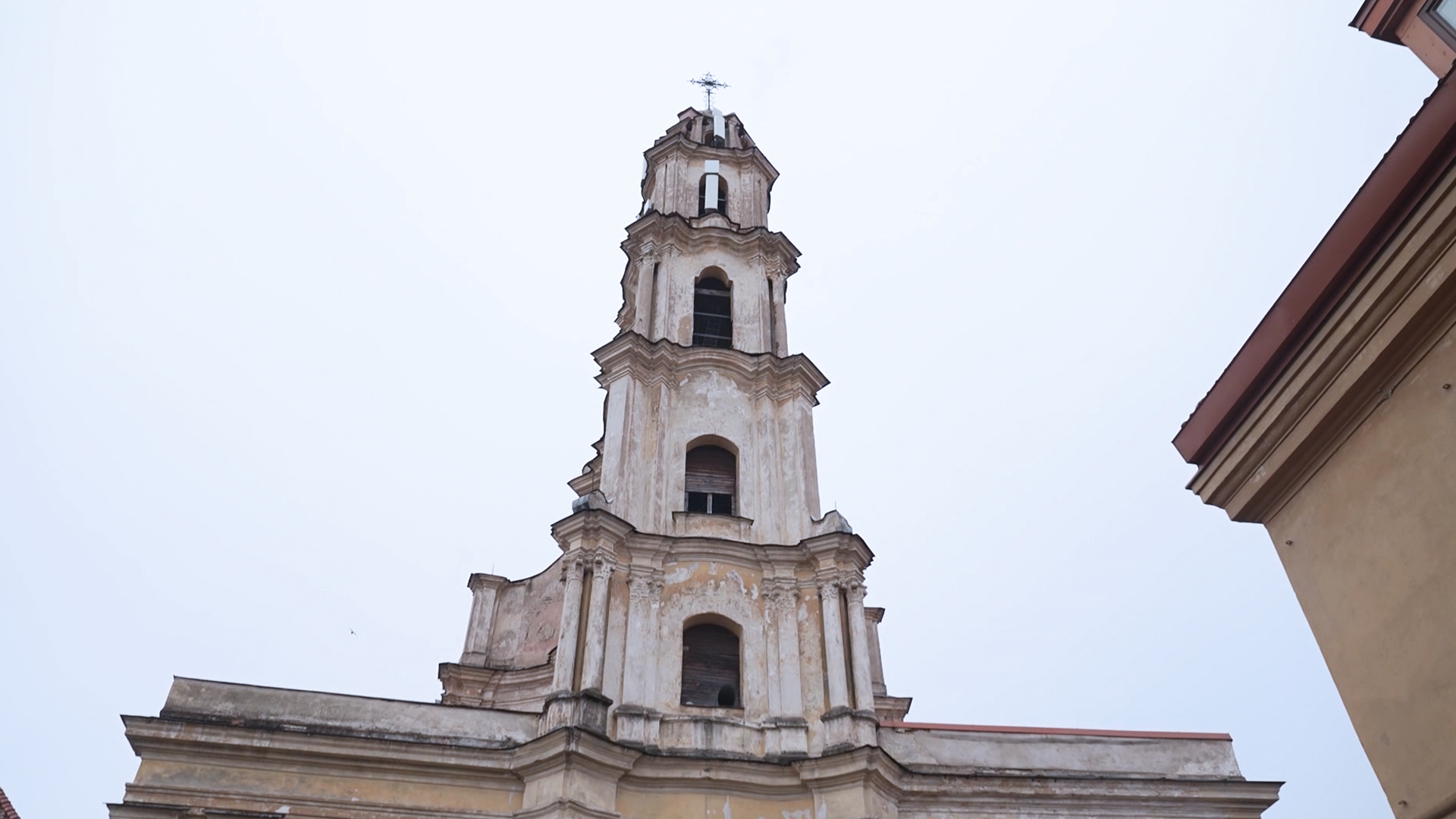
In 1940, during the Soviet occupation in Vilnius, Lithuania, church buildings were turned into prisons, storage facilities, and even asylums. Now, many of those same church sites have been restored, as Lithuanians take back not only their history, but their identity.
“Catholicism was always a part of our identity, and of course, by removing one part of our identity, it’s way easier to attack the rest of it,” Alina Pavasarytė, with the Vilnius Church Heritage Museum, told CBN News during a recent media study tour sponsored by several NATO eastern flank countries.
Walking the streets of Lithuania’s capital city, signs of the Soviet Union’s 50-year occupation are especially evident in its churches.
“The Church has this power, power of truth, power of resistance, power of inspiring people to do the right thing, and when you attack that, you have all the strong weapons,” Pavasarytė explained.
Many of the church buildings were so damaged or modified that in 1990, when Lithuania regained its independence from the Soviet Union, funding wasn’t there to repair them, so they sat vacant.
That happened with the Church of the Blessed Virgin Mary of Consolation.
“This church was built 250 years ago… During the Second World War, it was so destroyed that the Soviets decided to destroy it completely, and after somebody had this idea to make here storage for vegetables and so they made three floors. And after our liberation, what to do with a church with three floors?” said Father Algirdas Toliatas, the Lithuanian Police Department Chief Chaplain.
Father Toliatas needed a building for his police community. When this church site was presented to him, God put an important message on his heart.
“‘It will come your time. Wait. It will come your time.’ This church, like this church(es) prayer. And I thought, ‘OK, not only Priest search, searching place for community, but also church wait for his priest, 100 years.’ So for me it was like a push, ‘OK, I will try to do something.’ And we began,” he told CBN News.
Father Toliatas and his team turned the upper floor into their sanctuary, the middle floor became a place for discipleship courses, and the bottom floor is now a restaurant that employs people with disabilities.
Across the city, other vacant church buildings that were badly damaged during the occupation are also getting new life and slowly being returned to the Lithuanian people.
“It’s like (a) monument of our fragile liberty. How fragile is liberty, and how easy you can lose it, and how easy you can forget what was. So for me, it’s like (a) monument of our freedom,” said Father Toliatas.
“That’s our heritage. We were deprived of it, and we don’t even know about some of it, but it’s our inheritance…we have to learn about ourselves from those churches, about our culture, about our history, about what was important for our previous generations,” explained Pavasarytė.
