


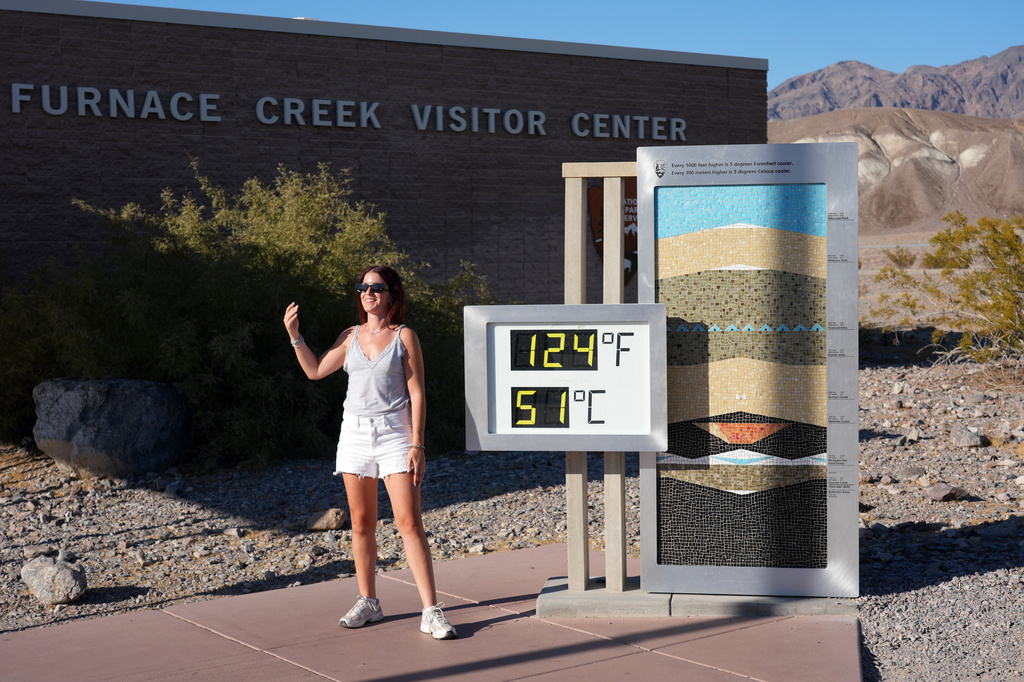
Extreme heat gripping much of the nation has contributed to at least 40 deaths so far this month. The U.S. Centers for Disease Control and Prevention reports about 2,000 people die each year in the U.S. from heat stroke and similar conditions. That’s more than any other type of weather-related death.
Florida physician Dr. J. Matthew Knight told CBN News most heat-related deaths are preventable.
“We have a beautiful way, a God-given way, to thermo-regulate and get heat out of our bodies into the environment,” he said. “But when it’s super-duper hot, and it’s super-duper humid, that whole thing breaks down.”
Dr. Knight explained that typically when our body temperature rises above the normal of about 98.6 degrees, our body naturally thermo-regulates by sweating. When that moisture on our skin evaporates, it cools us down. However, sometimes that system malfunctions, such as when we become dehydrated. Not having enough fluids in our bodies can hinder our ability to sweat.
“You’ve got to hydrate,” said Dr. Knight, “You have to drink a lot of water, that helps us thermo-regulate.”
The more we sweat, the more we need to replenish our fluids. Some people who are extremely active in the heat can sweat up to five liters a day.
Sometimes, however, even when we are well hydrated our natural cooling system can become overloaded, such as when the heat index is over 100 degrees.
“Your body can’t evaporate that heat, that moisture, into the environment because it’s too hot and it’s too humid.”
That can lead to heat exhaustion. Dr. Knight describes some of the symptoms. “Things like muscle cramping, headaches, feeling exhausted, just not feeling right, having difficulty with sweating a ton, and feeling like you need to sit down and rest,” he said.
Those most at risk for experiencing heat-related illness are the young children, pregnant women, seniors over age 65 and often, the physically active.
“The problem is, especially when it comes to youth sports, people say, ‘Oh, you should push through the cramps or things.’ That could be really dangerous,” Dr. Knight said.
People experiencing symptoms of heat exhaustion should immediately lie down in a cool place, elevate the feet, and hydrate. If left untreated, the situation can lead to heat stroke, a serious medical emergency. Dr. Knight described how to recognize a person who might have heat stroke.
“Somebody that has difficulty thinking, they’re stuporous, they’re not making any sense, and the body shuts down the ability to sweat at all and thermo-regulate.”
The best way to prevent heat exhaustion is to stay in air conditioning during the hottest part of the day. “So tasks that you need to get completed are best done early in the morning or late at night,” Dr. Knight said.
Not having access to air conditioning can become dangerous.
“Look for fans, look for ways to cool yourself. Go to someplace that does have air conditioning, like a movie theater or a mall or somewhere where you can stay cold during this season,” Dr. Knight suggested.
Heat stroke can also affect pets, so experts recommend keeping them cool and well hydrated also.
