


Health experts are warning consumers to use caution when shopping at convenience stores or gas stations. That’s because a number of products containing kratom that often appear safe should probably be avoided, according to drug analysts.
The kratom products typically have labels promising an energy boost or pain relief. However, doctors say they can be very dangerous.
Many people refer to kratom as “gas station heroin” because it’s often sold at corner markets and smoke shops in most U.S. states, and some of the top-selling forms of kratom mimic the effects of heroin.
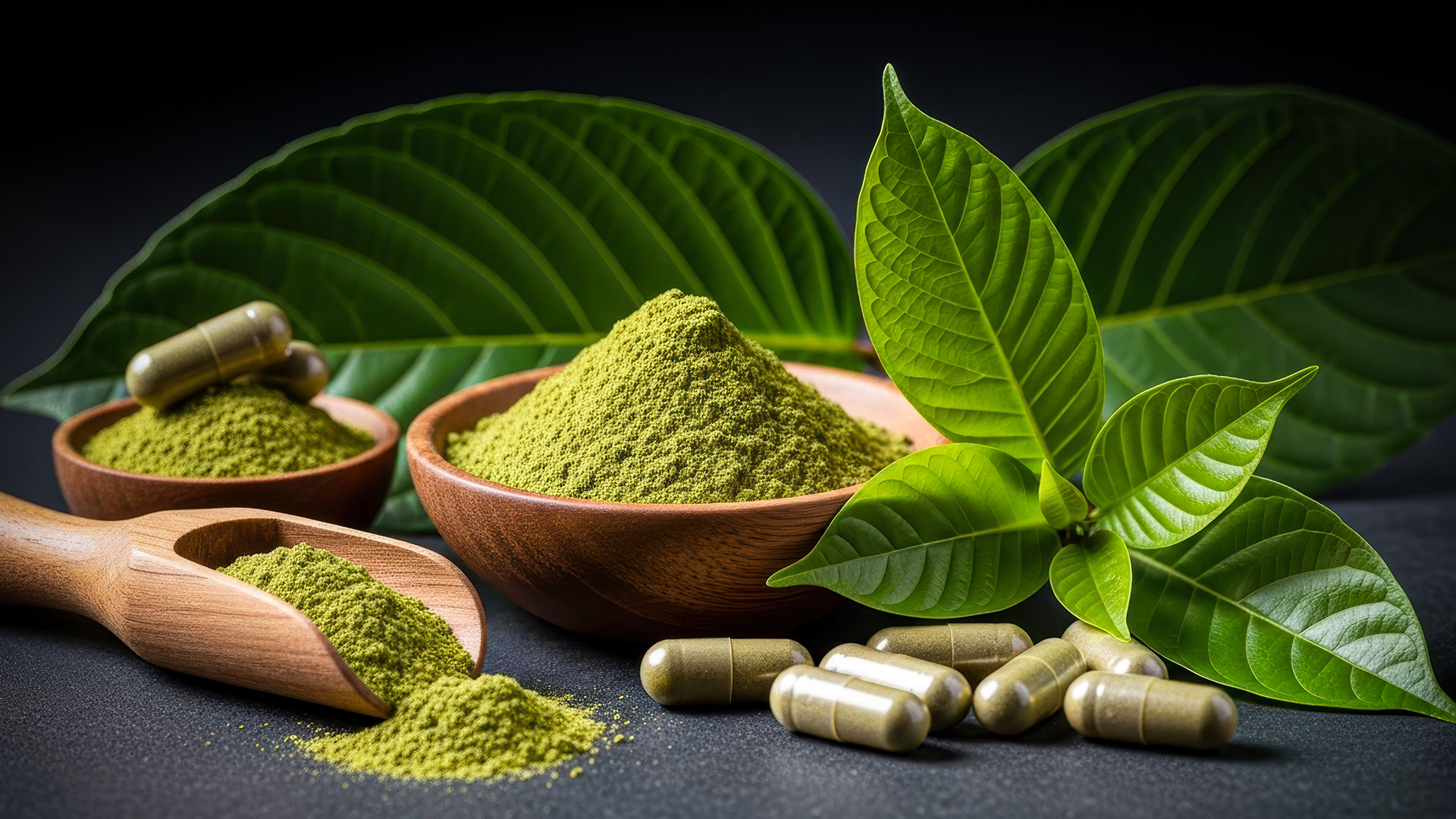
Leaves from the Southeast Asian kratom tree have been used for centuries by indigenous people for medicinal purposes because the leaves contain opioid compounds. Recently, kratom made its way to America.
Dr. Andrew Kolodny, medical director of the Opioid Policy Research Collaborative at Brandeis University’s Heller School for Social Policy and Management, told CBN News that Americans need to become educated about the product.
“In the United States, people are consuming kratom leaf in different forms,” he said. “People are eating the powder. They basically sell it at convenience stores and gas stations, a whole array of kratom products.”
While smaller doses can act as a stimulant, higher doses can be used as a pain reliever. Users mix the kratom powder with water and drink it like a tea. The powder also comes in capsules, which people swallow. Liquids made up of the leaf extract look like common beverages or energy shots.
“Those have become very popular, and those have a very high concentration of the kratom opioids in them,” Dr. Kolodny said. “So all of the products are actually highly addictive.”
***Please sign up for CBN Newsletters and download the CBN News app to ensure you keep receiving the latest news from a distinctly Christian perspective.***
7-OH kratom products are considered the most addictive because of a chemical treatment that boosts the opioid effect, taking it to a level that is often equal to that of heroin or prescription painkillers.
“They are especially dangerous,” Dr. Kolodny said. “I think all of the Kratom products are highly addictive, but the 7-OH products are more dangerous from an overdose perspective.”
In July, the U.S. Drug Enforcement Administration classified 7-OH products as Schedule I drugs, which puts them in the same category as heroin and LSD. Now outlawed, it “gives law enforcement and public health partners the tools needed to address this emerging threat,” said Health and Human Services Secretary Robert F. Kennedy, Jr. He applauded the DEA’s move, calling 7-OH products “addictive and harmful substances.”
The ban, however, only applies to synthesized kratom. Botanical versions remain widely available, a move critics attribute to false messaging from the billion-dollar kratom industry.
“The message that they’ve been pushing is, ‘All of the bad stuff people are hearing about with kratom in terms of addiction or deaths, that’s the 7-OH products,'” Kolodny said. “They call it the synthetic kratom, but ‘Our natural kratom is helping millions of people.’ That’s a false message.”
A number of health experts want all kratom banned in the U.S., saying even small doses can add up to dangerous amounts if consumed many times a day.
“Kratom can be toxic to the liver. It can cause liver failure. It can be toxic to the heart and even cause sudden cardiac death. And if people are taking it long-term, they can also suffer from heavy metal poisonings,” Kolodny said.
More than five million Americans over the age of 11 have reported using kratom. Young adults between the ages 21 and 34 show the highest use rates.
The U.S. Food and Drug Administration labels kratom a “new dietary ingredient,” warning that it should not be used for medical treatment, adding it is “not appropriate for use as a dietary supplement.”
So far, ten states plus Washington, D.C., have taken action on their own and have fully banned all kratom products, while some other states have enacted age restrictions for purchasing it.
