
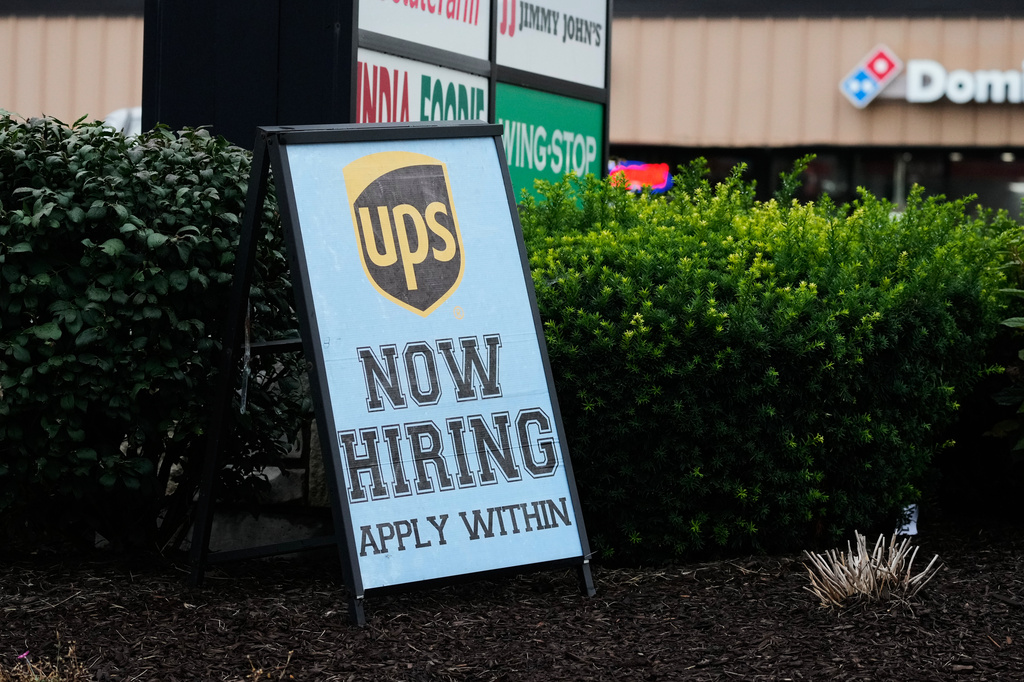
In a bid to fight high prices, the Federal Reserve raised the benchmark interest rate on Wednesday. The rising cost of gas, food, energy and other necessities is straining household budgets.
The hike shows the Federal Reserve believes inflation continues to move in the wrong direction.
In announcing the interest rate boost from 3.75 to 4 percent, Fed Chairman Kevin Warsh said, “The plain fact is that inflation is too high and has been for too long.”
The rate hike put Donald Trump’s hand-picked Fed Chair at odds with the President, who suggested the Fed is raising rates for political reasons, telling reporters, “They’re raising the rates to make Trump do as bad as he can possibly do.”
Warsh responded by saying, “I’ve got nothing for you on the discussion with the President. Some months ago, I said we will deliver stable prices. Today’s action is consistent with that.”
Trump posted on Truth Social: “Interest Rates in the United States should be 1%, or less, because we are the Best Credit in the World — BY FAR…. LOWER THE INTEREST RATES FOR THE UNITED STATES OF AMERICA, AND FAST!”
For consumers, the rate hike will add to interest costs for credit-card borrowers, but only about $1.38 a month in interest on a $6,600 card balance.
It won’t directly affect mortgage rates and shouldn’t affect car loan rates very much.
A big driver of inflation has been fuel costs.
Since the start of the Iran war, the typical household has spent an extra $930 in energy costs. The nationwide average for gas is now $4.44 a gallon, with diesel at a record $6.30 a gallon, pushing up the price of groceries, clothes and other necessities.
Illinois farmer John Bartman has seen the cost of diesel soar. He said, “We use 300 gallons of diesel a day. So now we’re talking $1,800 a day. Last year, that was about $1,000 to fill up my machine.”
The rate hike wasn’t a surprise. The Wall Street Journal calls Warsh “the most hawkish chairman since Paul Volcker…”
The President knew Warsh was an inflation hawk when he appointed him Fed chair. However, no politician likes an interest rate hike in an election year.
And the Fed’s war on inflation is expected to mean one more interest rate increase this year when it meets again in late October, just days before the midterm election.
