


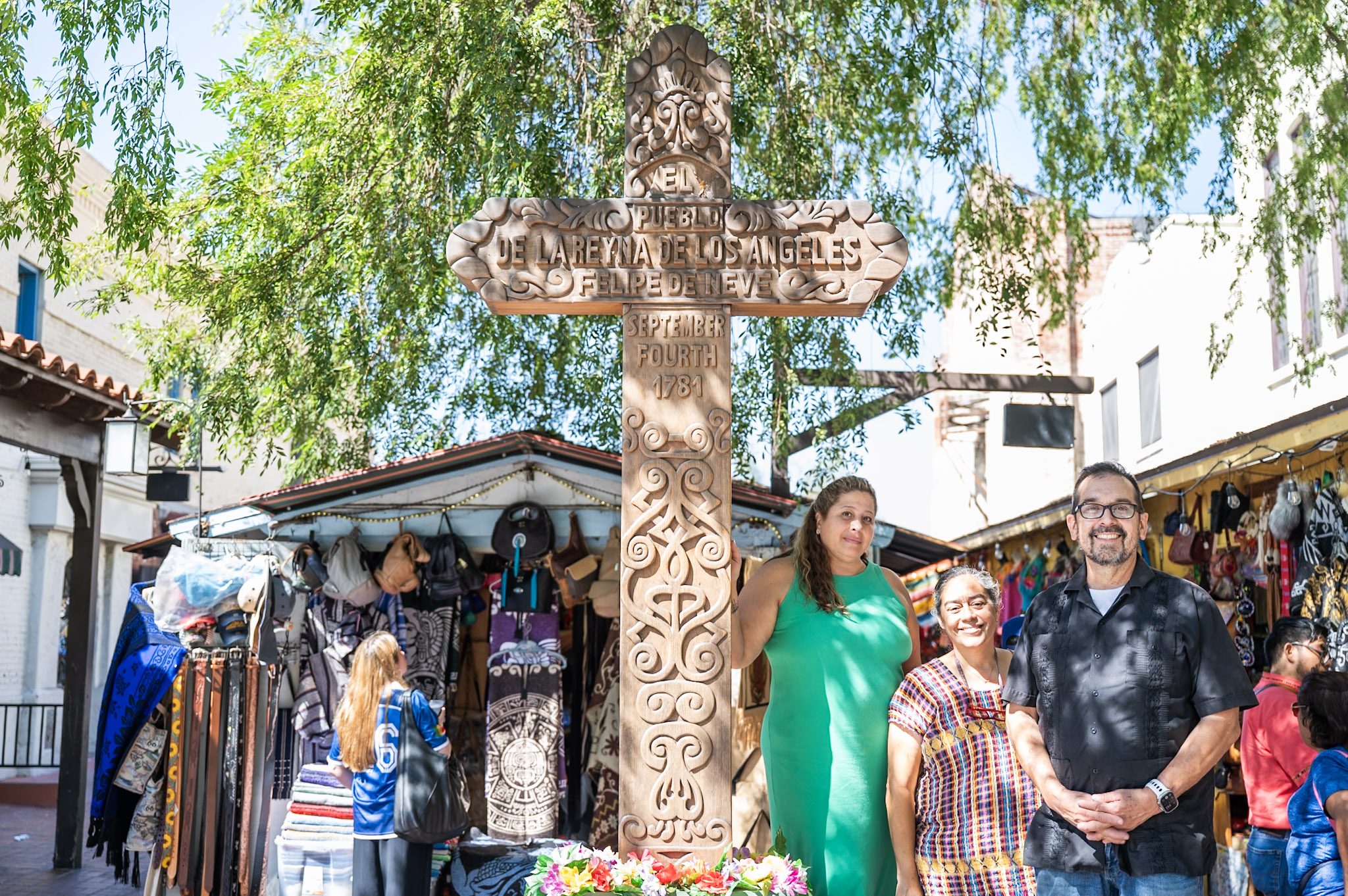
A Christmas nativity and a century-old cross at the center of a historic display in Los Angeles will not be banned or torn down, thanks to a ruling by a federal appeals court.
An angry atheist filed a lawsuit in 2025 complaining about the 10-foot-tall wooden cross and the nativity that have been traditional displays in a historic part of Los Angeles known as El Pueblo.
***Please sign up for CBN Newsletters to ensure you receive the latest news from a distinctly Christian perspective.***
In the case of Gerritsen v. City of Los Angeles, the Ninth Circuit Court of Appeals has now rejected the lawsuit from the local resident who complained about the religious history represented by the displays.
A lower federal court already rejected the request to remove the displays, concluding that neither display violates the First Amendment. The Ninth Circuit has now affirmed that ruling.
The religious liberty legal group Becket stood with a group of merchants who wanted to defend the cross and nativity.
“This ruling is common sense: of course the City of Angels has room for religious symbolism,” said Andrea Butler, counsel at Becket. “Los Angeles belongs to people of every faith and none, and its public square naturally bears the marks of that diversity.”
El Pueblo is a major attraction for the city, drawing millions of visitors each year to its Olvera Street market, historic buildings, and cultural celebrations rooted in the area’s unique Mexican-American heritage.
Many of the merchants there come from families that have been part of the market since it opened in 1930. Each year, they organize celebrations including Día de los Reyes, also known as Three Kings’ Day or Epiphany when the wise men brought gifts to baby Jesus, and several Hispanic heritage traditions like Día de los Muertos and Las Posadas.
The cross and nativity have long been part of El Pueblo’s history and traditions. The 10-foot wooden cross was erected at the head of Olvera Street in 1929 to commemorate Los Angeles’s 148th birthday.
“Religious imagery is a natural part of our nation’s history and culture—it shouldn’t be pulled down just because one passerby dislikes it,” said Butler. “The Constitution doesn’t require Los Angeles to erase historical landmarks just because they reference religion. We’re glad the court agreed.”
