


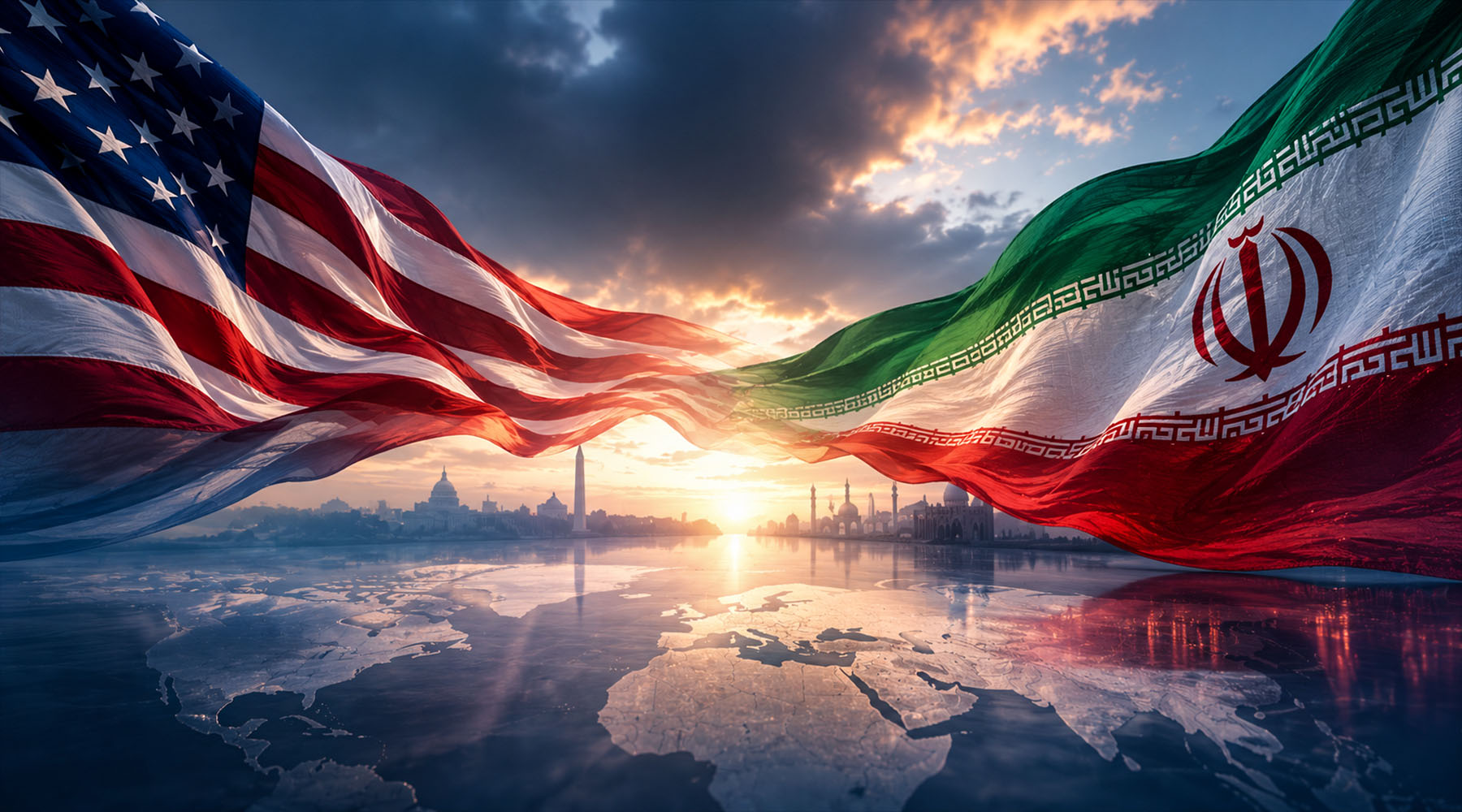
By June 18, 2026, after nearly four months of a war that cost thousands of human lives and throttled the world’s economy, the United States and Iran had both signed an initial peace agreement between the two countries.
There’s no doubt that the war was costly, and not just in human lives. Because it directly affected oil prices and shipping, most countries worldwide felt the heavy economic burden of the war. For instance, worldwide economic growth has been stunted, while global inflation has risen to six percent. Indeed, in the USA, it is estimated that the war has cost consumers and taxpayers around $132 billion so far.
The peace deal topped the headlines, stirred debate, and raised hopes of a move toward stability. People want peace to win, longing for security in a world that feels more tenuous every day.
Yet we know from history, and from our own personal lives, that even the best human agreements are fragile. Peace that is built on diplomacy can collapse in a flash. So it probably comes as no surprise that the majority of international treaties fail to achieve their intended results. Sure, sometimes they can ease tensions for a while, but they never address the root problem.
Peace initiated by humans is always temporary because it’s founded on fragile trust, shifting motives, and people who change their minds. The Bible doesn’t discount political peace but spotlights its limits. Scripture is realistic about the human condition. The truth is that lasting world peace cannot be achieved merely through human treaties because the deeper problem—the core problem—is sin within the human heart. “The heart is deceitful above all things, and desperately wicked” (Jeremiah 17:9).
This doesn’t mean we shouldn’t welcome, and even pray for, each genuine step toward peace in this world. In fact, God calls us to be peacemakers (Matthew 5:9). It is our duty and honor to support peacemaking initiatives. When nations choose diplomacy over violence, lives are spared and suffering is reduced, and that is something to celebrate. God wants us to wholeheartedly “seek peace and pursue it” (Psalm 34:14). And, as much as it depends on us, we should strive to “live at peace with everyone” (Romans 12:18 NIV).
God’s Peace, Not the World’s
The fact is that the conflicts of our world mirror the human heart, which is filled with pride, fear, greed, self-protection, and mistrust. Indeed, the deepest unrest is not political but spiritual. Treaties can’t help with that. Only God can bring true healing and peace. That’s why the peace the Bible addresses is so different; it starts not on paper but deep within the heart.
Genuine, lasting peace can only come from God because human peace depends on circumstances, while God’s peace depends on His character, which never changes (Malachi 3:6). And while human peace is temporary, God’s peace is eternal. Finally, while human peace is fragile, God’s peace is powerful and guards our hearts and minds (Philippians 4:7).
In John 14:27, Jesus assured His followers that the peace He can provide is unlike the world’s peace. Instead of the uncertain peace found on our planet, biblical peace is grounded in restoration, wholeness, and harmony with God. Through His power, we can have this peace with God (Romans 5:1), peace with ourselves, and peace with others. Although human peace comes through negotiation, God’s peace is freely given to us as a gift.
Ultimate Peace Treaty
The cross—the sacrifice of God’s Son on our behalf—is the greatest peace treaty our world has ever seen. Through the cross, Christ reconciles us to the heavenly Father. Through the cross, He breaks down the most resilient dividing walls between people. “For He Himself is our peace, who has made both one, and has broken down the middle wall of separation” (Ephesians 2:14).
Accepting God’s peace treaty means you can begin to live in His peace today. Ways to cultivate God’s peace in your daily life include prayer, confessing your sins to God, surrendering to His will, meditating on His Word, being a peacemaker, and trusting in His sovereignty in a chaotic world.
Best of all, Scripture points to a future when Christ’s kingdom will finally bring an end to earthly wars and conflict, something no human government has been able to accomplish permanently. The prophecy states: “They shall beat their swords into plowshares, and their spears into pruning hooks; nation shall not lift up sword against nation, neither shall they learn war anymore” (Isaiah 2:4).
“Humanity’s ultimate hope for enduring peace rests not in political agreements but in the Prince of Peace.”
Real Peace is a Person
As the world continues to negotiate peace, signing and breaking agreements, we can hold onto the fact that the deepest and most lasting peace comes only from a relationship with Christ. Yes, we should pray for and support human peace efforts. But more importantly, we can have the assurance of inner peace by pursuing a personal relationship with God and living as ambassadors of His peace in a troubled world, carrying that peace into our relationships, workplaces, and communities.
We can and should celebrate efforts that reduce political conflict today while remembering that humanity’s ultimate hope for enduring peace rests not in political agreements but in the Prince of Peace and His coming kingdom, which will never end (Isaiah 9:6, 7).
Want to learn more about the peace that God offers you? Click here to download our free book Finding Peace in a World of Worry.
Your Next Read
First-Ever International AFCOE Summit Unites Global Evangelism Leaders
