


ANALYSIS
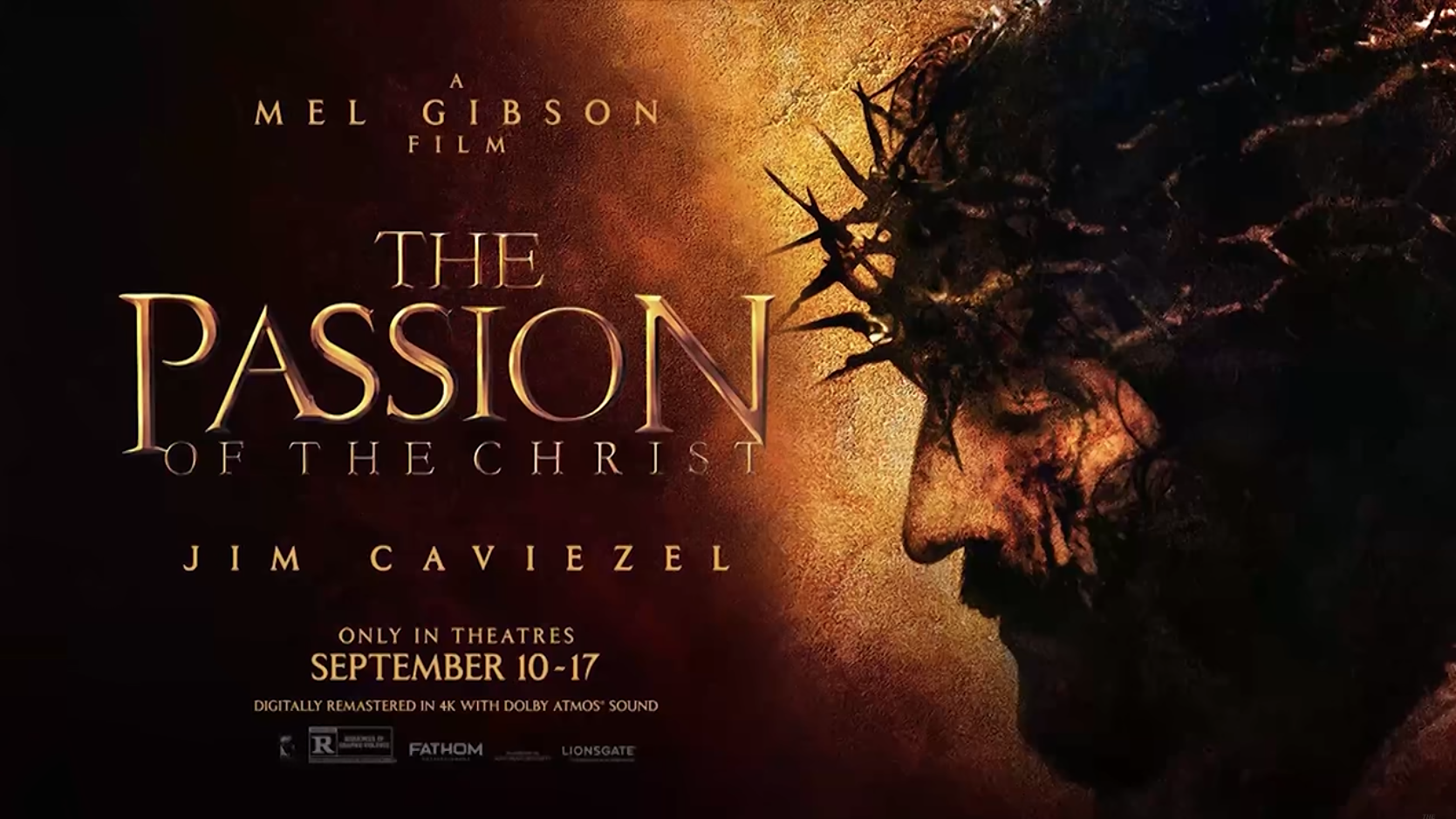
More than 20 years ago, The Passion of the Christ arrived in American theaters and forced a culture familiar with the story of Jesus to look again at the cross. Now the film is back in theaters, but America is not the same country it was then.
A generation has grown up without the Christian vocabulary that previous generations largely took for granted, and for many young Americans, this will not be a return to a story they remember—it will be their first encounter with it.
For generations, Americans could reject Christianity while still understanding its basic claims. They knew who Jesus was. They knew the story of the cross. They knew what Easter meant.
Christianity was part of the country’s cultural vocabulary, even for those who did not believe it.
That assumption is disappearing.
We have sometimes confused cultural familiarity with faith. We assumed that because people knew the vocabulary of Christianity, they understood the truth behind it. But knowing the story is not the same as believing it, and familiarity with Christian culture is not the same as knowing Christ.
Perhaps the disappearance of that familiarity is not entirely bad news. When Christianity stops being something people simply inherit as part of the culture, Christians have to do something we should have been doing all along: communicate the Gospel clearly to every generation.
That is why the return of The Passion of the Christ matters.
The film brings the central claim of Christianity before an audience that may have little familiarity with it: Jesus Christ went to the cross for the sins of mankind, and He rose again. That claim has shaped history for 2,000 years, but history alone cannot make someone a Christian. Every generation has to encounter the Gospel for itself.
A young person sitting in a theater today may know very little about the Bible. They may have never attended church. They may have grown up hearing Christianity described more often through social media arguments than through Christians themselves. Then they may watch the story of Jesus unfold on a screen and begin asking questions: Who was this man? Why did He willingly suffer? Why does His death matter? Why did His followers believe He rose from the dead?
Those questions are worth asking, and the Church should welcome them.
We should stop assuming that the next generation will inherit Christian belief simply because previous generations did. Faith is not passed down automatically, and neither is biblical understanding. Every generation needs to hear the Gospel, consider its claims, and decide what it will do with them.
This is where Christian media has an important role to play.
***AI tools threaten to hide CBN News from your searches! Sign up for CBN Newsletters today to ensure you can still find the latest news from a Christian perspective.***
The communication landscape has changed dramatically since The Passion of the Christ first appeared. A generation that once gathered around television now moves between streaming services, podcasts, social media, smartphones and artificial intelligence. The platforms are different, the habits are different, and the audience is different.The mission is not.
Christians are called to communicate truth wherever people are willing to listen. That does not mean changing the Gospel to fit the culture. It means refusing to let a changing culture determine whether we communicate it at all.
A film can reach someone who would never walk into a church. A podcast can reach someone who would never pick up a Bible. A conversation online can introduce someone to a question they have never considered. We should use every available means to communicate an unchanging message.
The return of The Passion of the Christ gives Christians an unusual moment to consider what happens when a familiar story becomes unfamiliar again. For those who already believe, the film can remind us of the cost of our salvation. For those who do not, it may raise questions they have never seriously considered.
The cross does not need to be updated for Gen Z. Jesus does not need to be reinvented to make Him relevant. The Gospel does not need to be made fashionable. But this generation does need the opportunity to encounter it.
For too long, we have relied on cultural familiarity to carry a message that was always meant to be proclaimed. Now that familiarity is fading, we have a choice: We can lament what has been lost, or we can recognize the opportunity in front of us.
The return of The Passion of the Christ is more than a movie coming back to theaters. It is a reminder that the story of Jesus cannot be inherited indefinitely through culture. It must be communicated, generation after generation.
A generation is about to see the cross for the first time. Let’s make sure we are ready to tell them why it matters.
Troy A. Miller is President & CEO of the National Religious Broadcasters (NRB), the nation’s largest association of Christian communicators. He is a frequent voice on faith, media, culture, religious liberty and the role of Christians in the public square. The Passion of the Christ movie is in theaters now through September 17, 2026 through Fathom Entertainment.
